Menopause weight gain can be one of the most difficult challenges for midlife women.
Weight gain and a change in body shape can be bad for health and cause many women to suffer from body image issues.
Read on for tips on how to maintain a healthy weight and active body during menopause.
Why do women gain weight around menopause?
Weight gain often begins before menopause during the perimenopause.
Typically, women notice that maintaining their body weight becomes more challenging in their forties.
By the time they reach their fifties, many women are gaining 0.7 kilogrammes (1.5 lbs) per year, leading to a considerable increase in their body mass index.
This weight gain is due to several factors.
A decrease in muscle mass
Muscle mass naturally decreases with age, while fat increases.
Muscle boosts metabolism, so as its mass reduces, the body burns calories more slowly, storing more of them as fat.
A decline in activity
People tend to become less active with age, which further reduces muscle mass.
How fat distribution changes during menopause
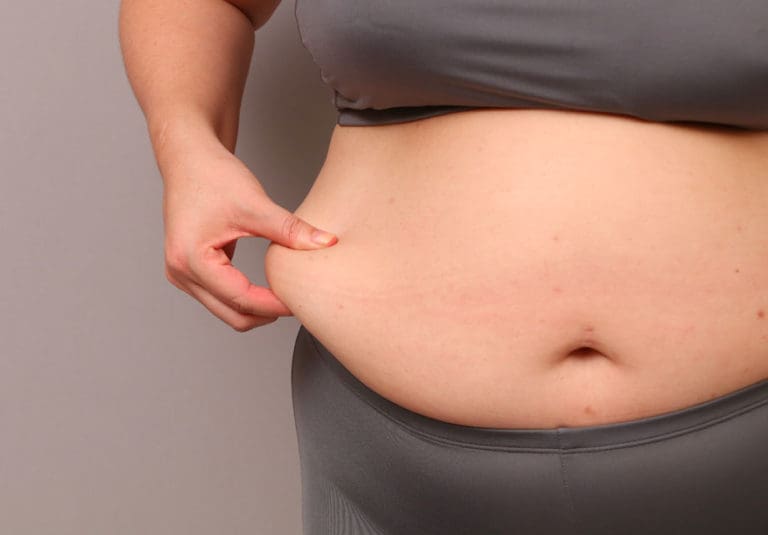
Many women who have had hourglass or pear-shaped physiques since puberty suddenly find that not only has their total body weight increased, but they also have an accumulation of fat around their middle for the first time in their lives.
Why have I got belly fat?
This increase in belly fat during menopause is due to hormonal fluctuations.
Higher levels of oestrogen encourage a typically female pattern of fat distribution on the hips and breasts, but as oestrogen levels reduce, the body begins to store fat in the abdominal area.
The dangers of visceral fat
Belly fat distribution is obvious as the fat is in the subcutaneous layer.
However, menopausal women are also at risk of visceral fat.
This type of fat is within the abdominal cavity, surrounding the organs, and although it may not be visible, it is still detrimental to health.
Visceral fat raises the risk of chronic health issues like heart disease, insulin resistance and cancer.
How can I avoid weight gain during menopause?
Menopausal weight gain can be minimised by making some healthy lifestyle changes to your diet and exercise.
Healthy diet for menopausal women
Your healthy diet plan shouldn’t just be about eating fewer calories, but also about ensuring that you get plenty of the following foods to support your body.
Lean meat or fish
Protein is essential for building muscles and repairing tissue damage.
Low-fat dairy products
Dairy products are among the best sources of calcium, which is necessary for keeping bones healthy.
Low-fat dairy products contain as much calcium as skimmed or semi-skimmed products, as the calcium is not stored in the fat element of the milk.
Choose a Mediterranean diet
A diet rich in fruit and vegetables, like the Mediterranean diet, will ensure that you receive all the nutrients and vitamins your body needs.
Foods to avoid
Processed foods
Ultra-processed foods contain high levels of fat, salt, and sugar and won’t help you achieve your weight-loss goals.
Alcohol
The occasional glass of wine can be relaxing, but regular alcohol consumption can contribute to weight gain.
Alcohol is full of empty calories that fuel weight gain, but also affects sleep, mood and bone health.
Stay active to control weight gain
Many women become less active as they age.
Other factors related to the menopause, such as aches and pains and hot flushes that worsen with exercise, can make us reluctant to go to the gym.
Exercise regularly
Regular exercise is a panacea for many menopausal symptoms as it reduces mood swings, creates a surge of feel-good endorphins and helps to maintain a healthy weight.
Exercise doesn’t have to be painful to make a difference. Government advice is to take at least 2.5 to 5 hours of moderate-intensity physical activity each week, including brisk walking and swimming.
Choose your exercise wisely.
Adding weight-bearing exercises and strength training to your exercise regime will also restore muscle mass, give you a leaner physique, protect your joints, and boost bone density.
If you don’t want to go to a gym, you can use resistance bands for home resistance training.
Lifestyle changes
Sometimes, making the effort to follow a healthy lifestyle can feel overwhelming.
If you’re experiencing mood swings, hot flushes and sleep disturbances that leave you exhausted, then a quick fix of caffeine, sugar and fat or alcohol can seem like the obvious fix!
Reaching out for help and making a few changes can help you on the road to controlling your weight gain and feeling better.
Prioritise sleep
Poor sleep makes you feel subpar, but it could also put you at risk of obesity, as lack of sleep affects appetite regulation, making you crave sweet foods.
Sleep hygiene – going to bed and getting up at the same time every day, avoiding alcohol, reducing screen time, and taking warm baths could all help to improve your sleep.
Learn to relax
Midlife can be a very stressful time with many women working full-time, caring for children, and supporting elderly relatives.
Although it is tempting to collapse in front of the TV with a glass of wine in the evening, this won’t provide the deep and refreshing relaxation that your body and mind need.
A few minutes of meditation before bed or five minutes of yoga every morning will help you relax and cope with everything your day throws at you.
A quick internet search will lead you to plenty of free resources and videos that you can follow at home and in your own time.
Hormone therapy may help
Hormonal fluctuations are at the root of so many issues that make weight gain during menopause seem inevitable.
By addressing some of the challenges of menopause transition, you can take back control of your life and health.
Why not call us today for more advice on navigating this challenging time of life?
Our private HRT clinic is CQC registered. To book an appointment, please call 01706 691683, email info@themenopauseclinic.com, or book online here.
Back to blog