Experiencing menopause anxiety? Discover how hormonal changes can affect stress levels, mood, and emotional wellbeing during perimenopause and menopause, and learn how The Menopause Clinic can help.
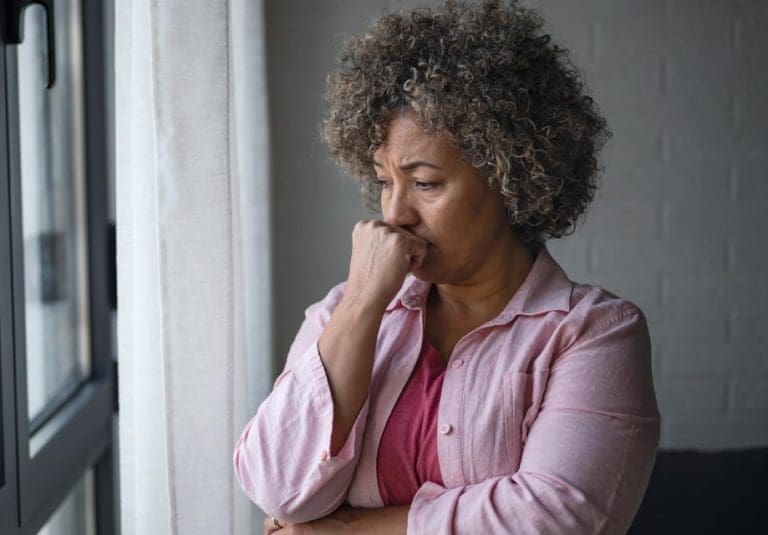
Feeling more anxious than usual? Finding yourself overwhelmed by situations that previously felt manageable? Struggling with racing thoughts, heightened stress levels, or a constant sense of worry?
If so, you’re not alone.
While hot flushes, night sweats, and irregular periods are widely recognised symptoms of menopause, many women are surprised to discover that anxiety can also become a significant part of the menopause journey.
For some women, anxiety may appear for the first time during perimenopause or menopause. For others, existing anxiety symptoms may feel more intense or harder to manage than before.
The good news is that there are reasons why this happens, and perhaps more importantly, there is support available.
At The Menopause Clinic, we regularly help women understand the connection between hormones, anxiety, and emotional wellbeing, providing personalised treatment and support to help them regain confidence and control.
Can Menopause Really Cause Anxiety?
In short, yes.
Anxiety is a recognised symptom of both perimenopause and menopause. While every woman’s experience is different, fluctuating hormone levels can have a significant impact on mood, emotions, and how the brain responds to stress.
Women often describe menopause anxiety as:
- Persistent worrying
- Feeling on edge
- Increased irritability
- Difficulty relaxing
- Racing thoughts
- Panic-like feelings
- Reduced confidence
- Feeling overwhelmed by everyday situations
These symptoms can occur even in women who have never previously experienced anxiety.
The Hormonal Link Between Menopause and Anxiety
One of the primary reasons anxiety can increase during menopause is the fluctuation and decline of oestrogen.
Oestrogen influences several important brain chemicals, including:
- Serotonin
- Dopamine
- Gamma-aminobutyric acid (GABA)
These neurotransmitters help regulate mood, emotional stability, sleep, and feelings of wellbeing.
As hormone levels fluctuate during perimenopause and menopause, these chemical changes can affect how the brain processes stress and emotions, making some women feel more vulnerable to anxiety.
In addition, declining progesterone levels may also contribute. Progesterone has a naturally calming effect on the nervous system, and lower levels can leave some women feeling less able to cope with everyday pressures.
Why Stress Can Feel Harder to Manage
Many women describe a feeling that their usual coping strategies simply stop working during menopause.
Situations that once felt manageable may suddenly seem overwhelming.
There are several reasons for this.
Hormonal Fluctuations
Changing hormone levels can increase emotional sensitivity and affect the body’s ability to regulate stress responses.
Sleep Disruption
Sleep disturbances are common during menopause and can significantly affect emotional resilience.
Poor sleep may contribute to:
- Increased anxiety
- Irritability
- Reduced concentration
- Difficulty coping with stress
Life Stage Pressures
Midlife often coincides with significant personal and professional responsibilities.
Many women are simultaneously managing:
- Careers
- Teenagers or young adult children
- Ageing parents
- Financial pressures
- Relationship changes
- Health concerns
These external stressors can amplify the emotional impact of hormonal changes.
Physical Symptoms Can Fuel Anxiety Too
Menopause symptoms themselves can sometimes trigger anxiety.
For example:
- Heart palpitations
- Hot flushes
- Sleep deprivation
- Brain fog
- Fatigue
These symptoms can feel alarming, particularly if they occur unexpectedly.
In some cases, women may begin worrying about the symptoms themselves, creating a cycle where anxiety worsens physical symptoms and vice versa.
Understanding that these experiences may be linked to hormonal changes can often provide reassurance and help reduce unnecessary worry.
Anxiety, Brain Fog, and Emotional Wellbeing
Many menopause symptoms overlap and influence one another.
For example, anxiety can make concentration more difficult, while brain fog and forgetfulness may increase stress and frustration.
Similarly, ongoing fatigue can reduce resilience and make it harder to cope with daily challenges.
This is why a holistic approach to menopause care is often so important. Rather than focusing on one symptom in isolation, it can be helpful to consider how hormonal changes are affecting overall physical and emotional wellbeing.
When Should You Seek Professional Support?
While occasional stress and anxiety are part of normal life, persistent symptoms should not be dismissed as something you simply have to tolerate.
It may be time to seek professional support if:
- Anxiety is affecting your quality of life
- Symptoms are impacting work or relationships
- You feel persistently overwhelmed
- You are experiencing panic attacks
- Your confidence has significantly declined
- Symptoms are affecting your sleep, mood, or daily functioning
Many women are relieved to learn that their symptoms may have a hormonal component and that effective support is available.
How The Menopause Clinic Can Help
At The Menopause Clinic, we understand that menopause affects far more than physical health.
Our personalised approach considers the emotional, psychological, and lifestyle factors that may be contributing to your symptoms.
Following a comprehensive consultation, treatment options may include:
- Hormone Replacement Therapy (HRT)
- Lifestyle and wellbeing recommendations
- Sleep optimisation support
- Nutritional guidance
- Ongoing menopause symptom management
By addressing the underlying hormonal changes, many women experience significant improvements in anxiety, confidence, emotional wellbeing, and overall quality of life.
Importantly, our specialist menopause services are available through convenient online consultations, making expert support accessible to women throughout the UK.
Practical Ways to Support Your Mental Wellbeing During Menopause
Alongside professional support, there are several steps that may help reduce stress and support emotional wellbeing:
- Prioritise good sleep habits
- Stay physically active
- Limit excessive caffeine and alcohol consumption
- Practise mindfulness or relaxation techniques
- Maintain social connections
- Follow a balanced diet
- Seek support when needed
Small, consistent lifestyle changes can often complement clinical treatment and help improve overall resilience.
Conclusion
Menopause anxiety is both real and common. If you’ve noticed that your stress levels feel harder to control, your confidence has declined, or you’re experiencing persistent worry, it may not simply be a result of life’s pressures alone.
Hormonal changes can have a powerful impact on emotional wellbeing, influencing how the brain processes stress, regulates mood, and responds to everyday challenges.
Understanding the connection between menopause and anxiety is an important first step towards finding effective support. With the right care, many women find they can regain control, improve their confidence, and navigate menopause with greater ease.
If you’re experiencing anxiety, mood changes, or other symptoms of perimenopause or menopause, The Menopause Clinic is here to help. Our experienced team provides personalised, evidence-based care tailored to your individual needs, helping you better understand your symptoms and explore appropriate treatment options.